
ORACLE DATA WAREHOUSE
What is a data warehouse? Quite simply, a data warehouse is a database built for the purposes of analysis. “Data warehouses” encompass a huge range of applications today, from large-scale advanced analytical data stores supporting dozens of sophisticated analysts to pre-built business intelligence applications with tens of thousands of users, and from enterprise-wide data warehouses to departmental data marts. Data warehouses are now a mainstay of the IT infrastructure, enabling both long-term strategic planning and agile responses to new market conditions.
However, data warehousing is undergoing a major transition. The benefits of data warehouses are currently being realized in most organizations, partially if not wholly. The best practices for data warehouses are well-established, and the technology supporting data warehouses is becoming more and more mature. Today’s leading-edge organizations, seeking to further differentiate themselves through analytics, are expanding their data warehouses with “big data”
Oracle Database 12c and Oracle Exadata
A Data Warehouse as a Foundation for Big Data
Enable data
driven decisions
Oracle Database Inmemory
Choose cloud
based analytics
Exadata
Analytics
Please enter your contact details.
Please enter your contact details.
Explore IBM Maximo
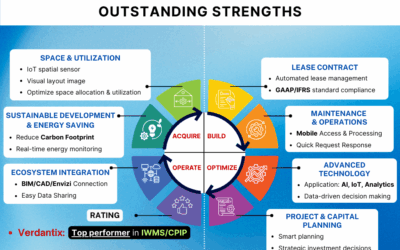
IBM Maximo Real Estate and Facilities Management
IBM Maximo® Real Estate and Facilities is a comprehensive all-in-one solution designed to elevate the efficiency and effectiveness of your operations, providing a single source of truth for all your real estate and facilities data.

Introducing Maximo Assistant: An AI resource for teams
At IBM, we’re embedding AI across the Maximo Application Suite through powerful AI capabilities that automate tasks

Maximo renewables asset performance management
It’s a single, integrated cloud-based platform that uses AI, IoT and analytics to optimize performance, extend asset lifecycles and reduce operational downtime and costs. It includes intelligent asset management, monitoring, predictive maintenance and reliability.